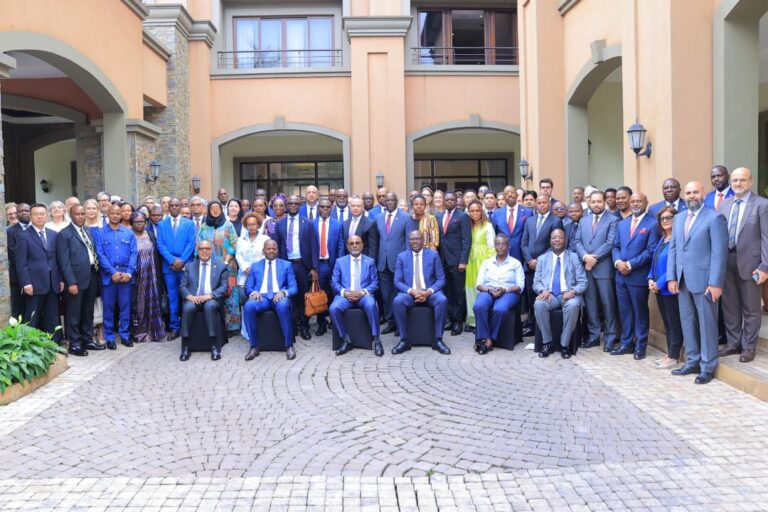
Uganda – Uganda recently hosted a delegation of 30 Danish medical specialists in tropical medicine for a structured program that combined medical research, professional exchange, and experiential tourism, underscoring the depth and maturity of bilateral relations between Uganda and the Kingdom of Denmark. The visit was facilitated by the Uganda Embassy in Copenhagen that formed part of a long-standing framework of cooperation between the two countries, particularly in health, education, agriculture, water and sanitation, and development cooperation.
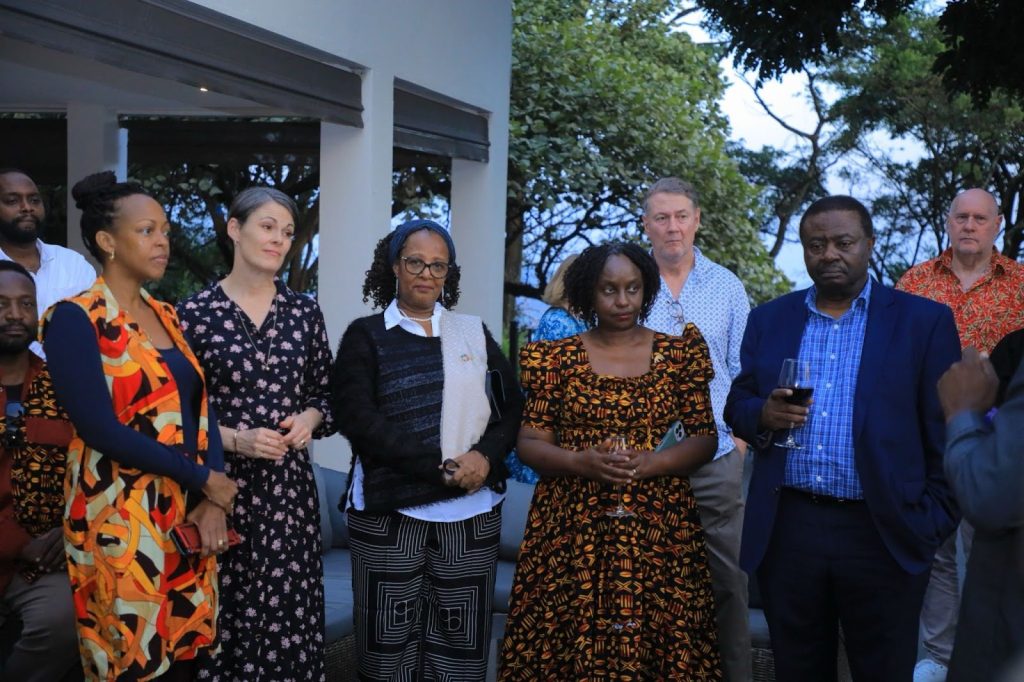
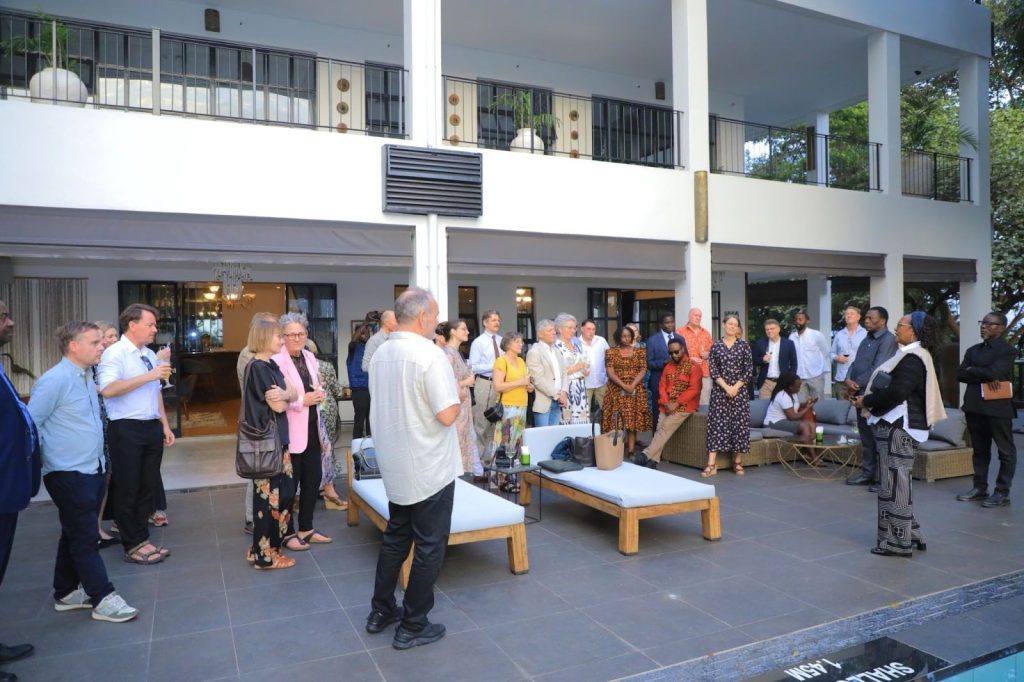
Speaking at a reception hosted by the Embassy of Uganda in Denmark, the Head of the Department of International Legal and Social Affairs at the Ministry of Foreign Affairs, Ambassador John Leonard Mugerwa, noted that the initiative aligned with Uganda’s evolving diplomatic priorities. He observed that Uganda–Denmark relations had progressively expanded beyond traditional cooperation to include professional mobility, research collaboration, and tourism-led engagement, all of which contributed to long-term development outcomes. He further described the engagement as a practical expression of Uganda’s commercial and economic diplomacy, linking international partnerships to sustainable development, knowledge exchange, and people-to-people relations. Ambassador Mugerwa explained that the visiting specialists were expected to engage with Ugandan counterparts on the prevention and management of tropical and non-communicable diseases, noting that shared expertise from countries that had successfully controlled certain diseases remained valuable as Uganda continued to strengthen health service delivery.
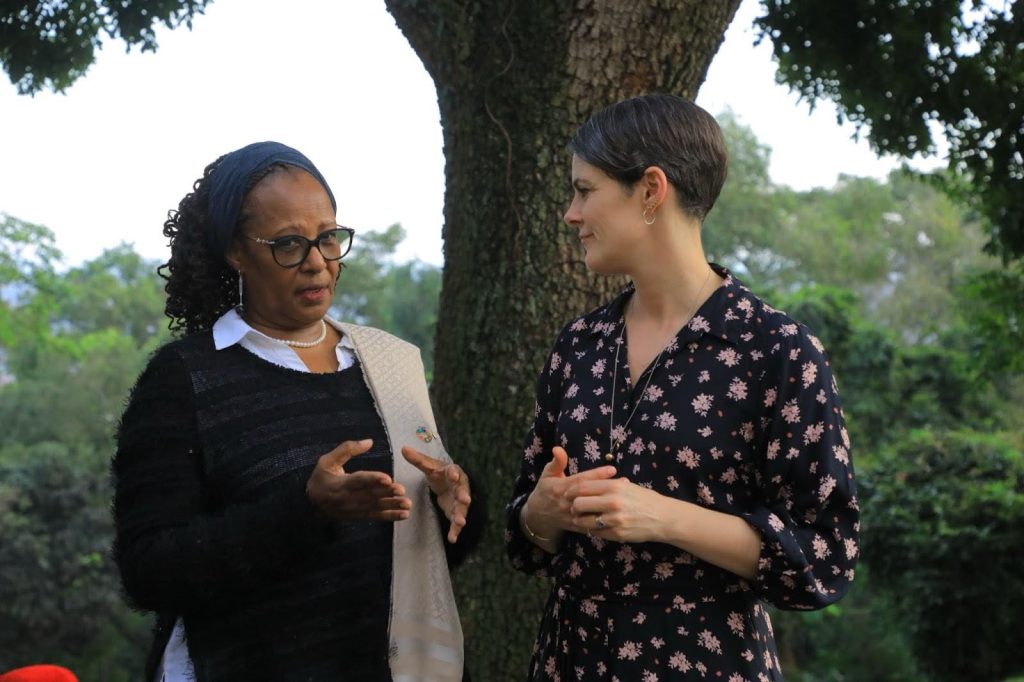
The Ambassador of Uganda to Denmark, H.E. Margaret Mutembeya Otteskov, stated that the program was deliberately designed to present Uganda’s contemporary narrative to Nordic audiences. She emphasised that integrating professional engagement with tourism allowed visitors to experience Uganda’s stability, natural beauty, and economic potential firsthand. She added that collaboration with a German tour operator had broadened outreach across the Nordic and Baltic regions, where awareness of Uganda’s tourism and investment opportunities remained limited.
During the visit, the delegation toured selected health facilities, including Jinja Regional Referral Hospital, enabling direct engagement with Uganda’s healthcare infrastructure while complementing the experiential component of the program. At a technical briefing, the Director of Health Services at the Ministry of Health, Dr. Charles Olaro, outlined Uganda’s dual burden of communicable and non-communicable diseases, while highlighting progress in disease surveillance and outbreak response. He noted that Uganda had developed the capacity to diagnose and confirm outbreaks, including Ebola, within 24 hours through advanced laboratory and genomic sequencing systems.
From a tourism perspective, the Uganda Tourism Board highlighted Uganda’s distinctive positioning as a destination offering ecological, cultural, and adventure experiences within a single country. The delegation later visited key attractions, including Queen Elizabeth National Park and Bwindi Impenetrable National Park. Leading the delegation, Mr. Bjarne Jensen remarked that integrating medical research, professional exchange, and tourism created shared value for visitors, institutions, and local communities. The engagement reflected Uganda’s commitment to innovative partnerships that advance health cooperation, tourism development, and meaningful international collaboration.