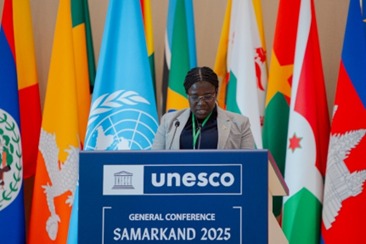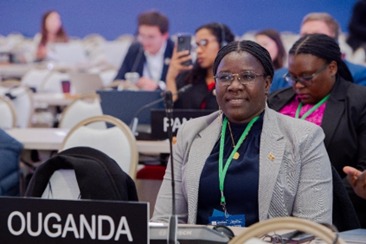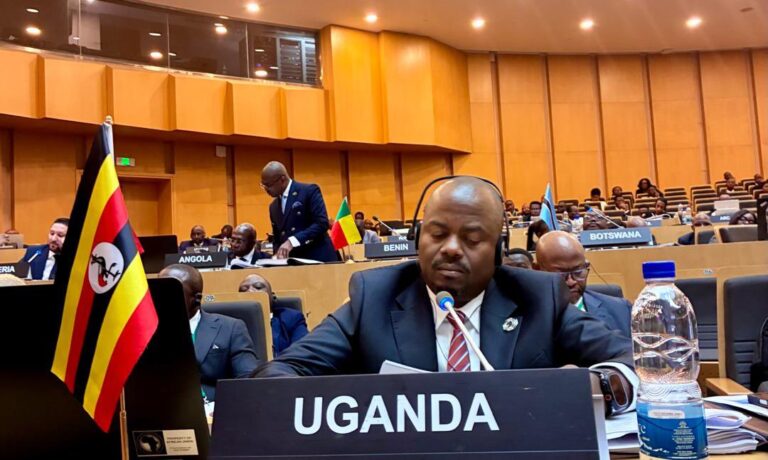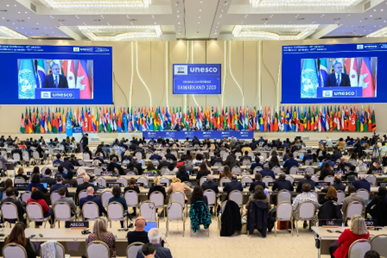
Samarkand, Uzbekistan – From the 194 UNESCO member states that gathered in the historic Silk Road city of Samarkand, Uzbekistan, for the 43rd Session of the UNESCO General Conference, Uganda emerged as one of the event’s most notable success stories.
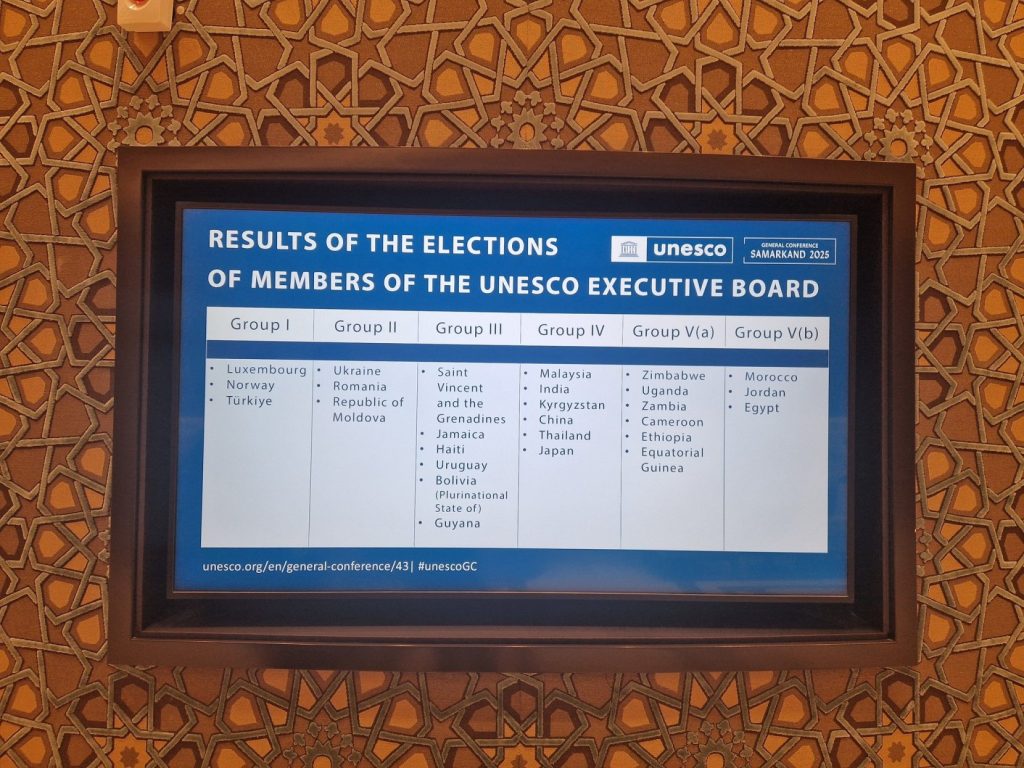
On November 7, 2025, member states voted for representatives to the UNESCO Executive Board for the 2025-2029 term. Uganda won overwhelming support, securing one of the highly contested seats under the Africa regional group with 162 votes out of the 175 countries that cast ballots. This victory signaled growing recognition of Uganda’s leadership in multilateral diplomacy. For Uganda, the seat is not only an honour but also a strategic opportunity to shape UNESCO’s global agenda in areas closely aligned with the country’s development priorities. With representation on the Executive Board, Uganda is positioned to influence key decisions touching on education reforms, scientific innovation, cultural and intangible heritage protection, and environmental conservation.
The achievement elevates Uganda’s international profile and demonstrates the trust member states place in its constructive engagement. As part of its new mandate, Uganda will help guide UNESCO through emerging global challenges, including the ethical governance of neurotechnology and the digital transformation sweeping education systems. Uganda’s delegation to the conference, led by H.E. Doreen Ruth Amule, Ambassador and Permanent Delegate to UNESCO, reflected a whole-of-government approach.
In her national statement, Ambassador Amule reaffirmed Uganda’s strong commitment to UNESCO’s values and thanked the host nation, outgoing and incoming leadership, and development partners. She outlined Uganda’s progress in key areas such as education reform, digital capacity building, youth empowerment, refugee inclusion, cultural heritage preservation, and environmental protection. Shealso appealed for continued UNESCO support for Uganda in curriculum development, digital literacy, safeguarding cultural sites, and with the recognition of new heritage and biosphere reserves.Additionally, the statement called for a Two-State Solution to the Israel-Palestine conflict, greater support for developing countries, particularly SIDS and African states, and expanded access to education, including mother-tongue instruction and lifelong learning.
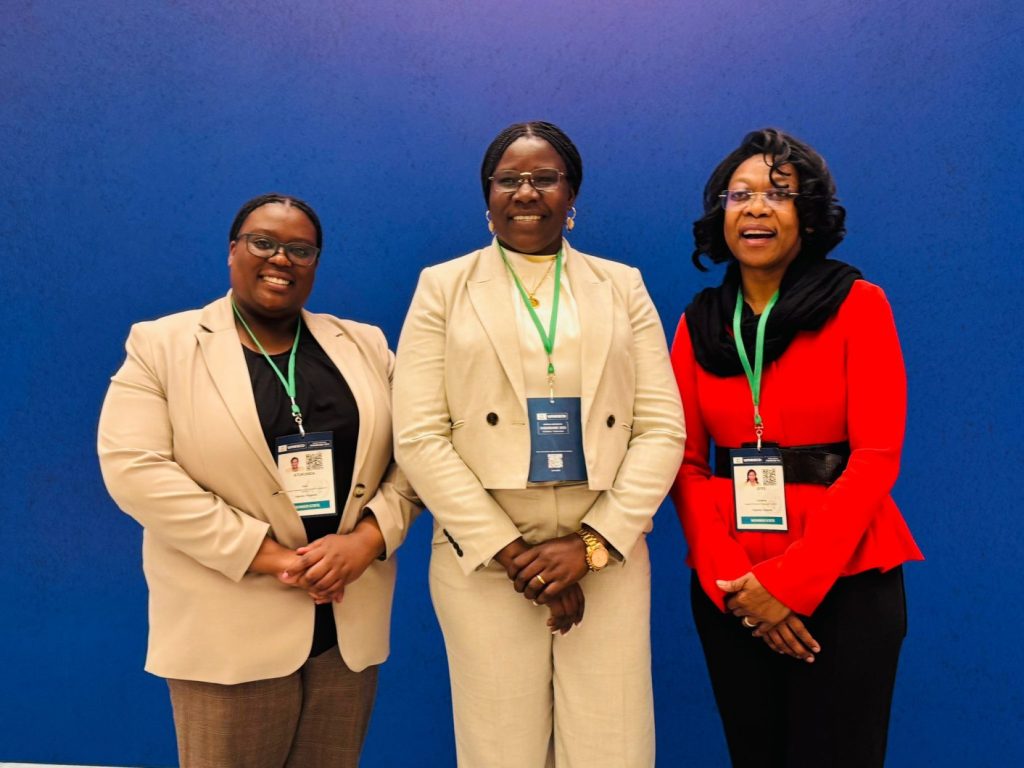
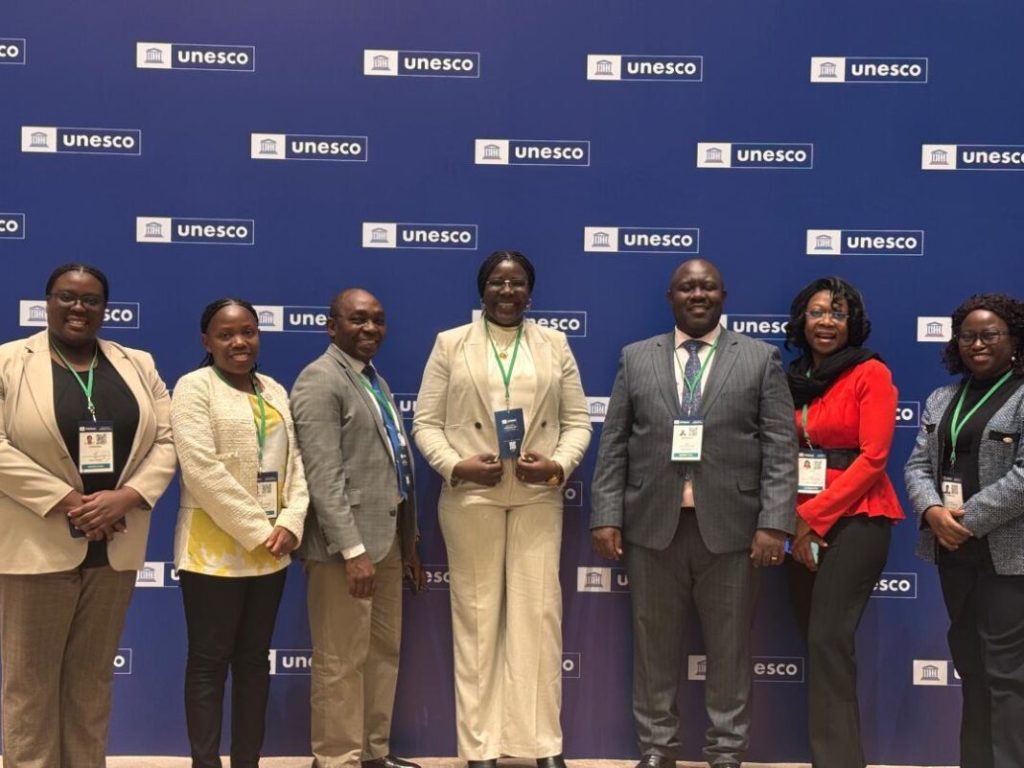
Uganda’s delegation included officials from the Permanent Delegation to UNESCO, Uganda National Commission for UNESCO, Ministry of Tourism, Wildlife and Antiquities, Uganda Wildlife Authority, and the Uganda National Cultural Centre, demonstrating Uganda’s commitment to leveraging UNESCO platforms to advance science, conservation, culture, and knowledge driven development.
Uganda’s election to the UNESCO Executive Board stands as more than a diplomatic achievement; it is a testament to the country’s dedication to global cooperation and transformative development.