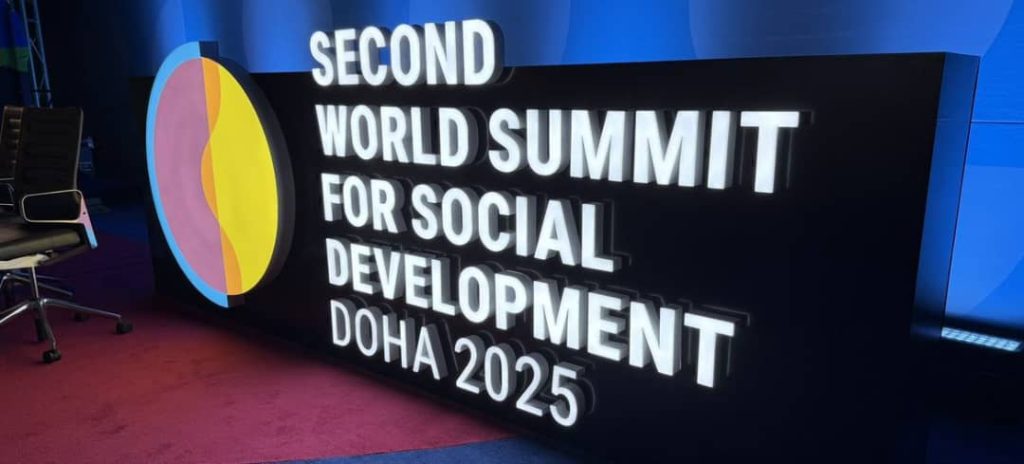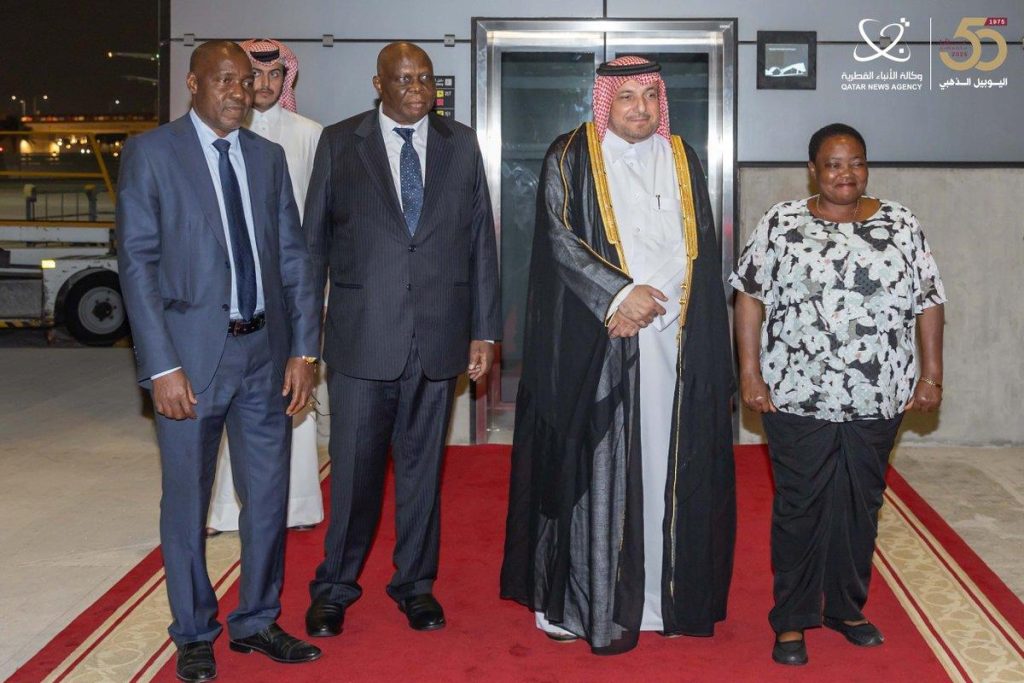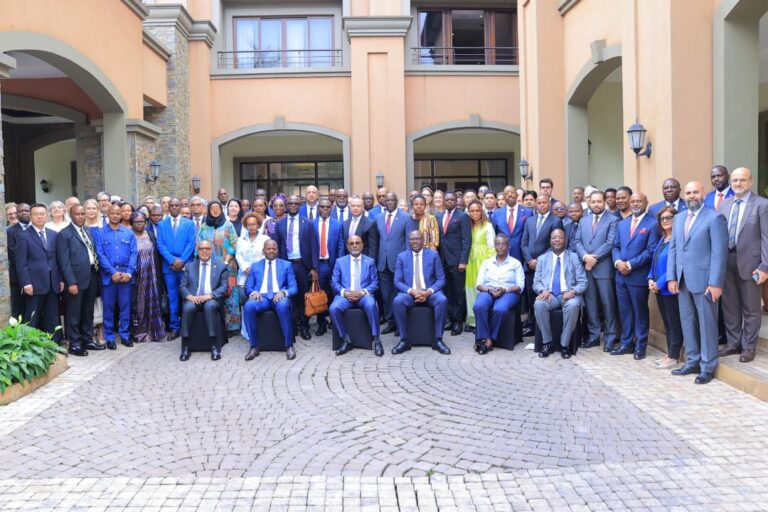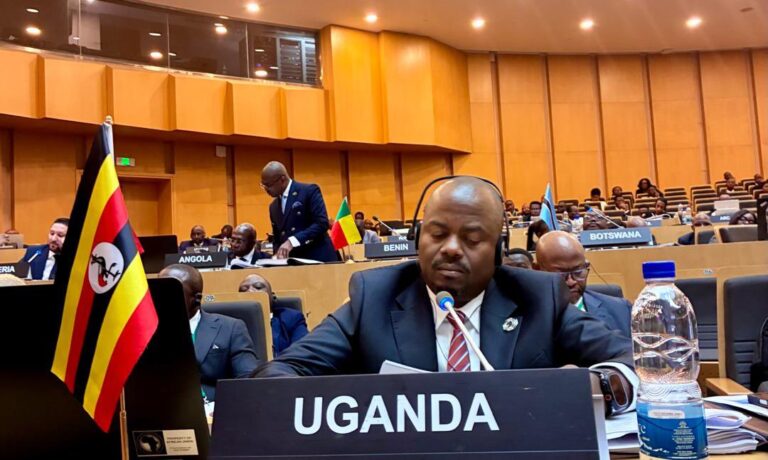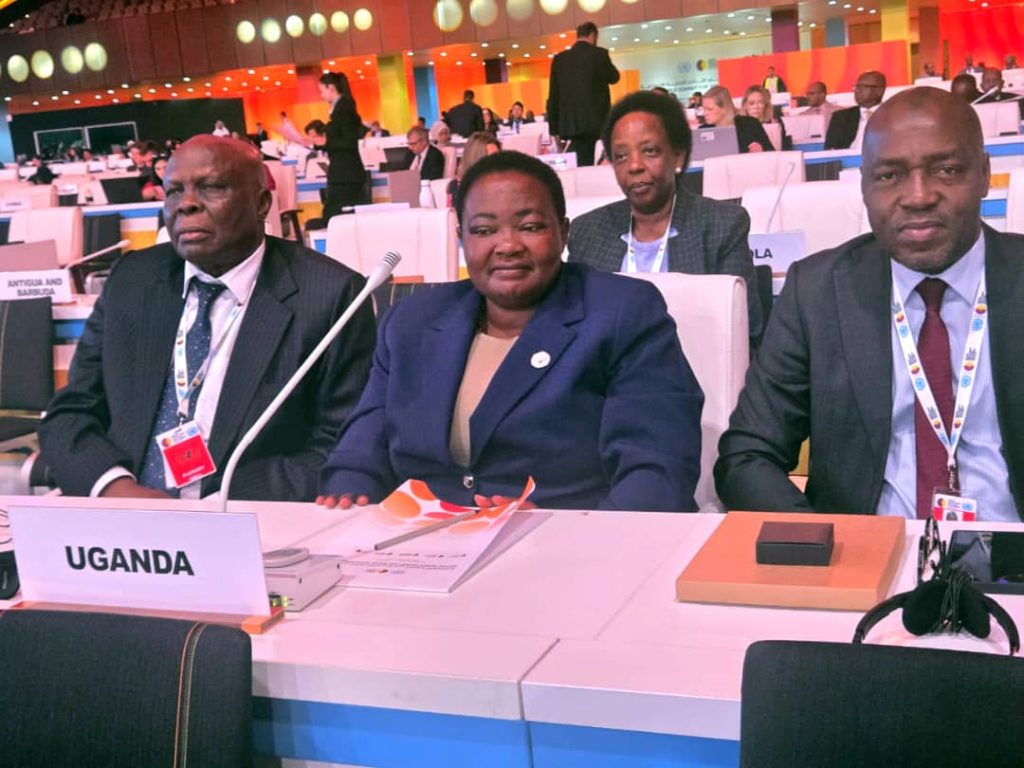
Doha, Qatar – Uganda strengthened its voice on the global stage as Prime Minister, Rt. Hon. Robinah Nabbanja represented H.E. President Yoweri Kaguta Museveni at the Second World Summit for Social Development in Doha, Qatar. The high-level meeting, convened by the United Nations General Assembly, brought together leaders from Africa, Europe, and the Asia-Pacific region to assess global social development priorities and to chart a renewed path toward achieving the 2030 Sustainable Development Agenda.
Hon. Nabbanja delivered President Museveni’s message to the Summit, noting that the rapidly changing global environment requires countries to “do much with less.” The President stressed that African nations Uganda included must focus on transformative initiatives that directly empower their citizens. He highlighted programmes that support youth and women entrepreneurs as well as social protection interventions that shield the elderly from vulnerabilities.
President Museveni’s message further underscored Uganda’s ongoing priorities: industrialisation, value addition, climate-smart agriculture, and expanded trade. These sectors, he noted, remain central to Uganda’s strategy for accelerating socio-economic transformation, creating decent work, and driving inclusive growth.
The Doha Summit has injected fresh momentum into global efforts to revitalise the commitments made under the 1995 Copenhagen Declaration on Social Development. The Second World Summit for Social Development scheduled for formal adoption in November 2025 will produce a concise, action-oriented political declaration aimed at fast-tracking implementation of the 2030 Agenda. Qatar is hosting the process with support from the UN Department of Economic and Social Affairs (DESA), while Belgium’s Permanent Representative Philippe Kridelka and Morocco’s Permanent Representative Omar Hilale serve as co-facilitators guiding consultations among member states.
The Summit featured plenary sessions that addressed the three core pillars of social development: poverty eradication, full and productive employment and decent work for all, and social integration. Additionally, two high-level roundtables examined global progress, persistent gaps, and emerging challenges in meeting the commitments of both the Copenhagen Declaration and the Sustainable Development Goals.
Uganda’s participation signals the country’s continued dedication to a development agenda that places citizens at the centre of national progress.